
59 Wicklow Avenue CROYDON, VIC 3136
Croydon family dentist - Best for kids' teeth
(03) 9725 8040
a

Traditional Braces

Why Are Traditional Braces Necessary?

Traditional braces are the most common way to achieve straight teeth. For many of us, genetics and other environmental factors can cause our teeth to stray out of alignment. When that happens, traditional braces are and often employed dental device that can correct misaligned teeth, bringing them back into perfect positioning over time.

If left untreated, misalignment in the teeth can lead to tension in the jaw, headaches, pain and discomfort, rubbing against your gums, and generally making it more difficult to keep your teeth clean and well-maintained. In more severe cases, you may even experience difficulty chewing or eating some of your favourite foods. A uniform bite can treat–or prevent–these symptoms from occurring.

What Age Is Best For Traditional Braces?

Traditional braces often work best during childhood and adolescent years for patients as this type of dental appliance can be continually tightened and loosened as the teeth grow in and mature. While straightening and aligning teeth are generally preferable to have done during a patient’s younger years, adults can also benefit from traditional braces as well.

At Divine Dental Care, we provide a full range of orthodontics in Croydon, including traditional braces & cosmetic braces, to help patients of all ages achieve a healthy, confident smile.
Orthodontics Croydon

What Are They Made Of?

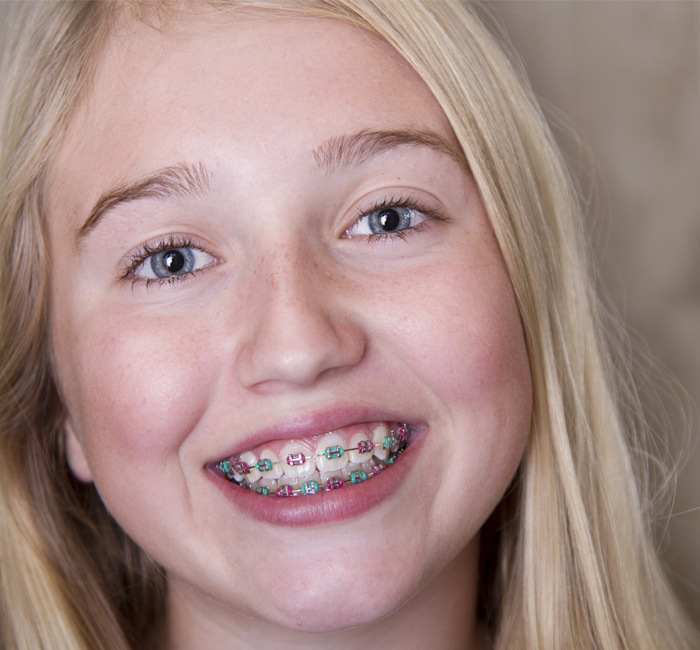
Fixed braces generally consist of metal brackets which are glued onto the front surfaces of teeth. Wires are then placed within the brackets and held in position with elastic bands, connecting them across the device. As the shifting of the teeth progresses, the dentist will tighten the wire and trim excess that is affixed to bands that wrap around the last two teeth of the upper and lower jaws.

What Are The Planning Steps Involved

Dental x-rays and plaster moulds are often taken to carefully analyze each patient’s mouth. This allows the dentist to determine the combination and strength of wires and elastic bands necessary to successfully alter the alignment of teeth. Once a plan is made up, the braces are fixed onto the teeth.  Once the teeth have slowly and gently moved into their correct placement and the jaws are trained to correct an overbite or crossbite, the braces and brackets are removed from the teeth.

White spots from the braces glue are common but will fade from the teeth with time. A retainer is often given to patients to use for aftercare in an effort to ensure that teeth remain in place and do not shift from their desired positioning. It is vital to consistently use the retainer to maintain results.

If you feel like you may benefit from re-alignment, consider reaching out to us today to schedule a friendly consultation with our experienced and compassionate dental team. We’ll help you understand the underlying problem and work with you to find the best solution.

Frequently Asked Questions

What are traditional braces used for?

Traditional braces are used to straighten crooked or misaligned teeth and correct bite issues. They work by gradually moving teeth into the right position over time. This helps improve both the appearance of your smile and overall oral function.

How do traditional braces work?

Braces use metal brackets attached to the teeth, connected by a wire that is adjusted over time. These adjustments gently guide the teeth into better alignment. Regular visits are needed so your dentist can tighten and monitor progress.

At what age can you get braces?

Braces are most commonly used for children and teenagers while teeth and jaws are still developing. However, adults can also benefit from braces and achieve excellent results. Treatment is tailored to each patient regardless of age.

How long does treatment with braces take?

Treatment time varies depending on the complexity of the case. Most people wear braces for several months to a couple of years. Your dentist will give you a clearer timeframe after assessing your teeth.

Do braces hurt?

Braces are not usually painful, but you may feel some discomfort after adjustments as your teeth begin to move. This usually settles within a few days and becomes easier to manage over time. Your dentist can offer advice to keep you comfortable.

How often do I need appointments during treatment?

You’ll need regular appointments, usually every few weeks, so your dentist can adjust the wires and track progress. These visits are important to ensure your treatment stays on track. They are typically quick and straightforward.

Will I need a retainer after braces?

Yes, a retainer is usually provided after braces are removed. It helps keep your teeth in their new position and prevents them from shifting back. Wearing your retainer as advised is essential for long-term results.

Can braces improve more than just appearance?

Yes, braces can improve bite alignment, making it easier to chew and speak comfortably. They can also help reduce uneven wear on teeth and improve long-term oral health. Straight teeth are generally easier to clean as well.