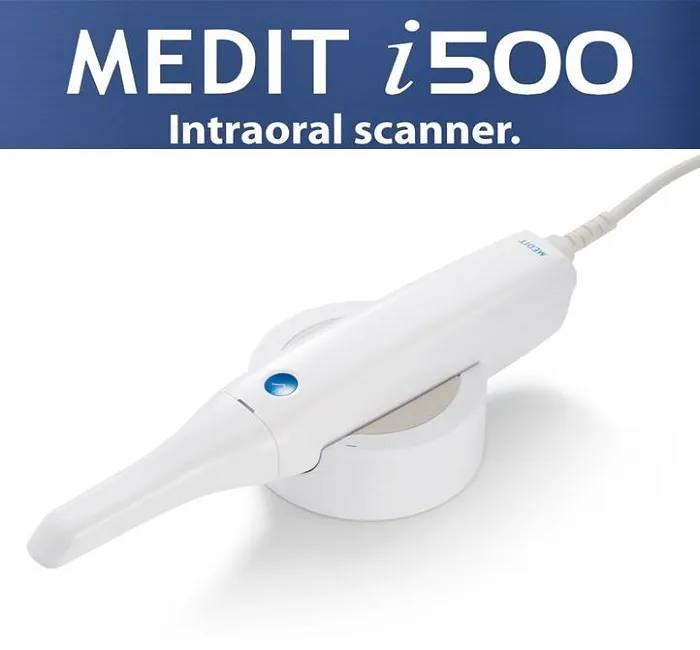
What Is an Intraoral Scanner
An intraoral scanner is a digital impression device that captures detailed 3D images of your teeth and gums using a small handheld wand. The scanner is moved gently around your mouth, recording thousands of images per second to create a highly accurate digital model of your dental structures.
This technology replaces traditional putty impression materials for many dental procedures, offering a more comfortable experience for patients. At our Croydon dental practice, we use intraoral scanning to assist with treatment planning and the fabrication of a range of dental restorations.
Book a digital scan appointment: call (03) 9725 8040 or book online. We are open Monday to Friday 8:30am to 6:00pm and Saturday 8:30am to 5:00pm.
Benefits of Digital Impressions
Digital impressions offer several practical advantages over conventional impression techniques for many patients and procedures.
- More comfortable: no bulky trays or putty materials, reducing the gagging reflex that some patients experience with traditional moulds
- Faster process: digital scans are typically completed in a few minutes, often quicker than setting and waiting for conventional impression materials
- Highly accurate: the scanner captures precise digital models, which can contribute to well-fitting restorations
- Immediate viewing: images are displayed on screen straight away, allowing your dentist to review the scan with you during your appointment
- Electronic transmission: digital files can be sent directly to dental laboratories, reducing turnaround times compared to posting physical impressions
Digital scanning is commonly used in the planning and fabrication of crowns, bridges, clear aligners, and other restorations at our Croydon clinic.
When Digital Scanning Is Used
Intraoral scanning may be used across a range of dental treatments where accurate impressions of your teeth are required.
- Crown and bridge planning: capturing detailed images of prepared teeth and surrounding structures for precise restoration design, including same-day crowns milled on-site
- Clear aligner treatment: creating digital models used to plan and fabricate custom orthodontic aligners
- Implant restorations: recording the position of implants and surrounding tissues for the design of implant-supported crowns or bridges
- Monitoring tooth wear: tracking changes to tooth surfaces over time by comparing scans taken at different appointments
- Same-day crown fabrication: providing the digital data needed for in-office milling of ceramic restorations in a single visit
Your dentist will advise whether digital or conventional impressions are appropriate for your specific treatment. In some clinical situations, traditional impression methods may still be preferred.