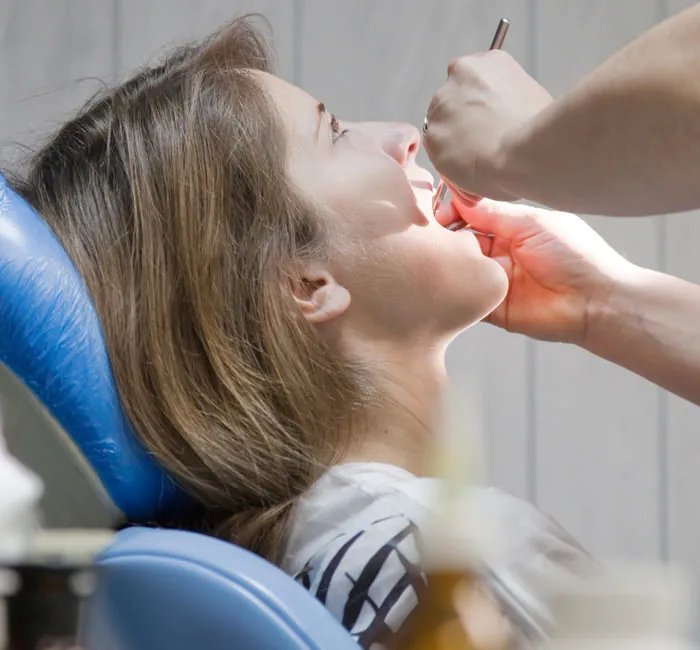
What Happens During a Check-up
A regular dental check-up at Divine Dental Care in Croydon is a thorough assessment of your overall oral health. During your appointment, your dentist will carry out a comprehensive examination that may include:
- A visual examination of all teeth, gums, and soft tissues inside the mouth
- Diagnostic X-rays, if needed, to check for decay between teeth, bone loss, or other concerns not visible to the eye
- An oral cancer screening, checking the tongue, cheeks, palate, and throat for any unusual changes
- A gum health assessment, measuring gum pocket depths to check for signs of gum disease
- An evaluation of any existing dental restorations such as fillings, crowns, or bridges
- A review of your bite and jaw joint function
Your dentist will discuss their findings with you and recommend any treatment that may be needed. Check-ups are an opportunity to identify potential issues early, when they are often simpler and less costly to address.
Book a check up and clean: call (03) 9725 8040 or book online. We are a preferred provider for BUPA, HCF, Medibank and all major health funds.
Professional Cleaning
Professional cleaning, also known as scaling and polishing, is an important part of maintaining your oral health. Even with thorough brushing and flossing at home, plaque can build up in areas that are difficult to reach. Over time, plaque hardens into tartar (calculus), which cannot be removed by a toothbrush alone.
During a professional clean, our dental team will:
- Use specialised instruments to remove tartar deposits from above and below the gum line
- Polish the tooth surfaces to remove surface stains and smooth the enamel
- Provide personalised advice on brushing technique, flossing, and any additional cleaning aids that may benefit you
Professional cleaning helps to reduce your risk of gum disease and tooth decay, and can leave your mouth feeling fresh and clean.
Why Regular Visits Matter
We generally recommend dental check-ups and professional cleaning every six months, although your dentist may suggest a different schedule based on your individual oral health needs. Regular visits are important because:
- Early detection of tooth decay can allow for less invasive treatment
- Gum disease is often painless in its early stages and may go unnoticed without professional assessment
- Oral cancer screening during routine check-ups can help with early identification
- Regular professional cleaning helps prevent tartar build-up that contributes to gum disease
- Your dentist can monitor changes in your oral health over time and adjust your care plan accordingly
Maintaining a consistent schedule of dental visits is one of the most effective steps you can take to support your long-term oral health. Contact our Croydon clinic to book your next check-up and clean.
Related Reading
- Why twice-yearly visits cost less over time
- Protecting your teeth over the Christmas period
- Deep clean compared with a regular clean
Frequently Asked Questions
How often should I have a dental check-up?
What is included in a professional clean?
Are dental check-ups covered by health insurance?
Why do I need X-rays at a check-up?
Can a dental clean damage my teeth?
Check-ups for DVA Veterans
DVA funds check-ups usually once every six months, and where there is clinical need for more frequent visits we can request approval from DVA on your behalf. We accept both card types and claim directly. See our DVA dentist page.