What Are Fissure Sealants
Fissure sealants are thin, protective coatings applied to the chewing surfaces of back teeth, including molars and premolars. These teeth have natural grooves and fissures that can trap food particles and bacteria, making them more susceptible to decay even with regular brushing.
The sealant material flows into these grooves and forms a smooth, protective barrier over the tooth surface, helping to prevent bacteria and food from accumulating in areas that are difficult to clean with a toothbrush. Fissure sealants are commonly recommended for children when their permanent molars first come through, typically between the ages of six and twelve.
Book a fissure sealant appointment: call (03) 9725 8040 or book online. We are a preferred provider for BUPA, HCF, Medibank and all major health funds.
The Sealant Procedure
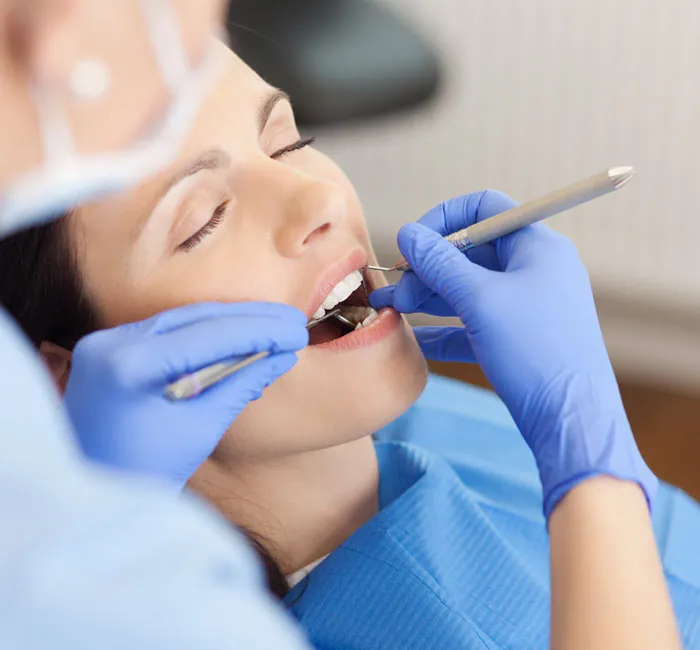
Applying fissure sealants is quick and does not require any drilling or anaesthetic. The procedure is straightforward and most younger patients tolerate it easily.
- Cleaning: the tooth is thoroughly cleaned and dried to ensure the sealant bonds properly to the surface
- Conditioning: a mild conditioning solution is applied to the chewing surface to help the sealant material adhere to the enamel
- Application: the sealant material is carefully painted into the grooves and fissures of the tooth
- Curing: a special light is used to harden the sealant, setting it firmly in place within seconds
The entire process usually takes just a few minutes per tooth, and children can eat and drink normally afterwards.
Who May Benefit from Sealants
While fissure sealants are most commonly associated with children's dentistry, they can be beneficial for patients of various ages depending on individual risk factors.
- Children with newly erupted permanent molars: sealing these teeth soon after they come through helps protect them during the years when brushing habits are still developing
- Teeth with deep grooves or fissures: some teeth have particularly deep or narrow grooves that are difficult to clean effectively with a toothbrush alone
- Patients with a higher risk of decay: individuals who are more prone to cavities may benefit from the additional protection that sealants provide
Sealants are checked during regular dental visits at our Croydon practice to ensure they remain intact and effective. If a sealant becomes worn or damaged over time, it can be reapplied to maintain ongoing protection for the tooth.